The Power of User Testing: Real Insights for Real Results
User testing ensures that designs work as intended by uncovering real user behaviors and pain points. Let’s explore how testing leads to better usability.

Steve Cooper
Product Designer
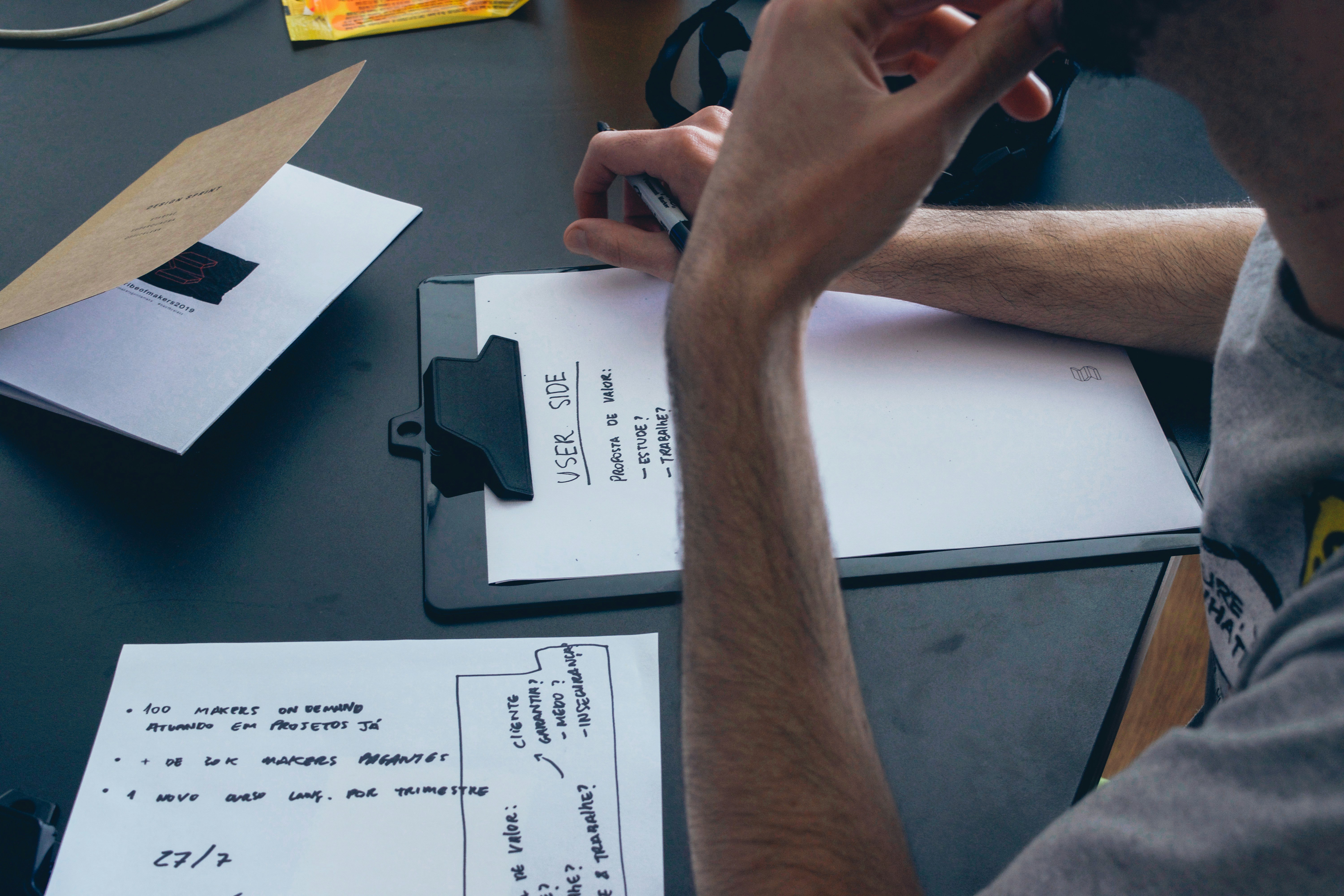
Why User Testing Matters
User testing is one of the most effective ways to validate design decisions and ensure a seamless user experience. Instead of relying on assumptions, user testing provides real data on how people interact with your product, helping to uncover pain points, improve usability, and increase conversions.
Key Benefits of User Testing
Identifies Usability Issues Early
User testing is one of the most effective ways to validate design decisions and ensure a seamless user experience. Instead of relying on assumptions, user testing provides real data on how people interact with your product, helping to uncover pain points, improve usability, and increase conversions.
Provides Actionable Feedback
Real users provide direct insights into what works and what doesn’t. By observing their interactions, you gain data-driven recommendations for refining your design, content, or user flows.
Boosts Engagement & Conversions
A product designed with user feedback in mind ensures a smoother experience, leading to higher engagement rates, better retention, and increased conversions.
User Testing Methods
Different user testing approaches offer unique insights depending on the project’s goals. Here are some commonly used methods:
Moderated Testing – Direct interaction with users to gather in-depth feedback.
Unmoderated Testing – Remote testing where users complete tasks without direct guidance.
A/B Testing – Comparing two versions of a design to determine which performs better.
Heatmaps & Analytics – Tracking user behavior through click maps and session recordings.
Best Practices for Effective User Testing
✅ Define Clear Objectives – Know what you’re testing & what insights you need.
✅ Test with the Right Audience – Your testers should reflect your target users.
✅ Observe, Don’t Lead – Let users navigate naturally to spot pain points.
✅ Iterate & Improve – Use the feedback to refine and enhance the design.
Conclusion
User testing isn't just a phase in the design process—it's a powerful tool for creating user-centered experiences. By prioritizing real insights over assumptions, designers and developers can build products that truly meet user needs and drive success.